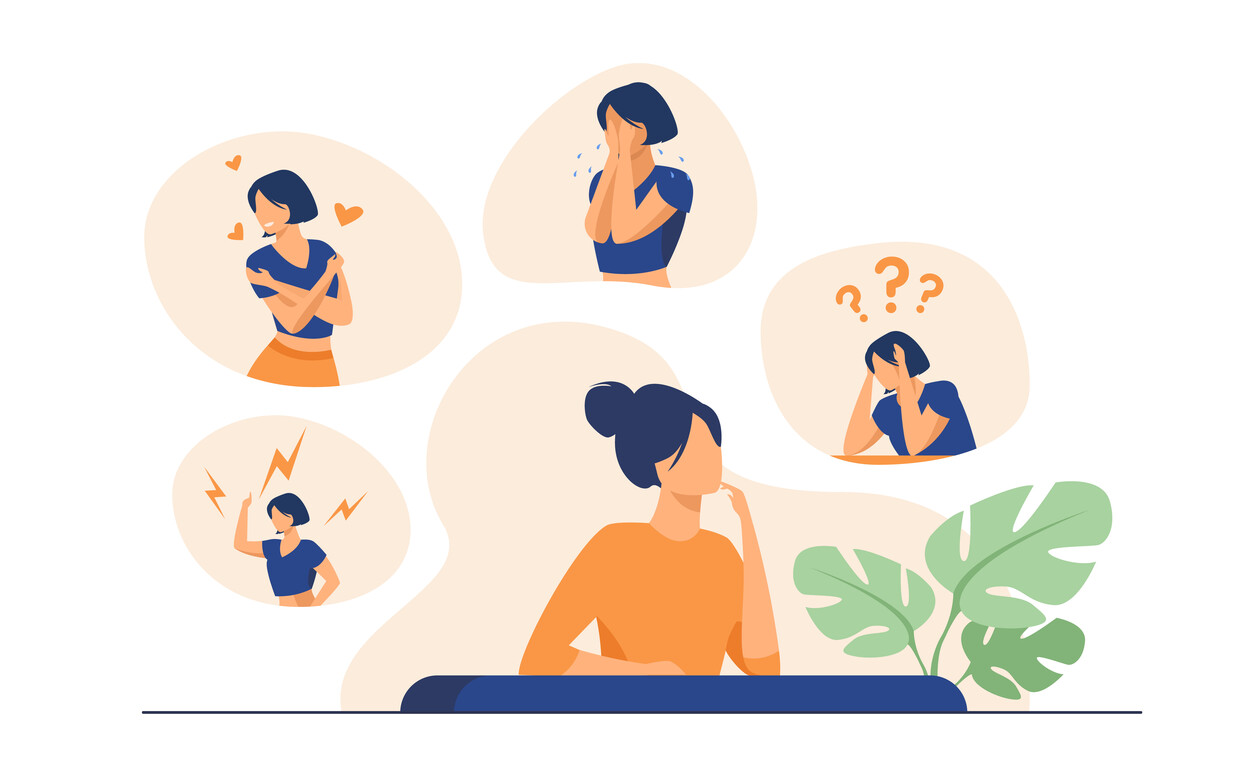
Anxiety in Adults: Subtle Signs You Might Be Missing
Anxiety in adults does not always appear as panic or constant worry. Many people seeking anxiety counselling in Calgary are surprised to learn that their symptoms—chronic tension, overthinking, irritability, or burnout—are all common signs of anxiety. Because adult anxiety often presents subtly, it can go untreated for years. Understanding how anxiety shows up in daily life is the first step toward effective anxiety therapy in Calgary and meaningful, lasting change.
In this post, we explore the less obvious signs of anxiety in adults, why they are often overlooked, and when it may be helpful to seek professional support.
Why Adult Anxiety Is Often Missed
Adults are remarkably skilled at functioning through discomfort. Responsibilities such as careers, parenting, relationships, and financial pressures can normalize chronic stress. Over time, anxiety becomes familiar—and therefore invisible.
High-functioning anxiety is especially difficult to identify. Individuals may appear organized, successful, and capable, while internally experiencing constant pressure, restlessness, or fear of failure.
Subtle Signs of Anxiety in Adults
1. Persistent Overthinking and Mental Exhaustion
Anxiety frequently manifests as a nonstop internal dialogue. You may replay conversations, anticipate worst-case scenarios, or struggle to “turn your mind off,” particularly at night. This mental overactivity can lead to fatigue, irritability, and difficulty concentrating—even when sleep appears adequate.
2. Chronic Tension or Physical Symptoms
Many adults experience anxiety primarily in the body rather than the mind. Common physical signs include:
-
Tight shoulders or jaw clenching
-
Frequent headaches or migraines
-
Gastrointestinal issues (e.g., nausea, IBS symptoms)
-
Shallow breathing or chest tightness
When medical tests come back normal, anxiety is often an overlooked contributor.
3. Irritability and Reduced Patience
Anxiety does not always present as fear. In adults, it often shows up as frustration, impatience, or emotional reactivity—especially with partners, children, or coworkers. This can strain relationships and create guilt or confusion about “why I’m so on edge.”
4. Avoidance Disguised as Busyness
Avoidance is a core feature of anxiety, but in adults it often looks productive. Overworking, constant scheduling, or staying perpetually busy can be ways to avoid uncomfortable thoughts, emotions, or decisions. While socially rewarded, this pattern can lead to burnout and emotional disconnection.
5. Difficulty Relaxing or Enjoying the Present
If rest feels uncomfortable or undeserved, anxiety may be at play. Many adults report feeling uneasy during downtime, needing to stay “on,” or feeling guilty when not being productive. This can make true relaxation feel impossible.
6. Perfectionism and Fear of Letting Others Down
Perfectionism is often rooted in anxiety rather than high standards alone. Adults may fear making mistakes, disappointing others, or being judged. This can result in procrastination, people-pleasing, or excessive self-criticism.
When Anxiety Becomes a Problem
Anxiety becomes clinically significant when it:
-
Interferes with work, relationships, or daily functioning
-
Leads to chronic stress, burnout, or physical symptoms
-
Feels difficult to manage independently
-
Limits your ability to enjoy life
You do not need to be in crisis to benefit from therapy. Early support often prevents anxiety from becoming more entrenched.
How Therapy Can Help
Evidence-based therapies such as Cognitive Behavioural Therapy (CBT), Acceptance and Commitment Therapy (ACT), and Internal Family Systems (IFS) help adults:
-
Understand the underlying drivers of anxiety
-
Develop healthier responses to stress and uncertainty
-
Reduce avoidance and overthinking
-
Build emotional regulation and self-compassion
At Mindset Solutions Counselling, therapy is collaborative, practical, and tailored to your life—not a one-size-fits-all approach.
You Are Not “Just Stressed”
If this post resonates, it may be worth listening to what your anxiety is trying to communicate. Subtle does not mean insignificant—and support can make a meaningful difference.
If you are seeking anxiety counselling in Calgary or online therapy across Alberta, learn more at
www.mindsetsolutionscounselling.ca